


Flooded Basement Cleanup in Bothell, Washington
We help homeowners, landlords, property managers, and commercial property owners after burst pipes, appliance leaks, sump pump failures, roof leaks, heavy rain, snowmelt, and sewer backups. Our work covers finished basements, rental properties, condominiums, offices, retail spaces, warehouses, and other occupied buildings.
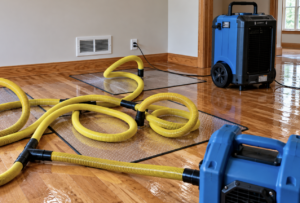
Standing water in a basement can move into flooring, drywall, insulation, wiring, furniture, and stored belongings. Our team removes the water, checks how far it traveled, and starts controlled drying for homes and businesses in Bothell. Call for help once the area is safe to enter.
Our assessment looks beyond the visible water. We inspect floors, walls, cabinets, framing, contents, connected rooms, and areas hidden behind trim. This helps us decide which materials can dry in place and which need removal. We also check for moisture under flooring and inside walls, where damage can continue after the surface looks dry.
Need Restoration Help in Bothell? Call (425) 669-1584
Keep children and pets away from standing water. Do not enter if water has reached outlets, appliances, or electrical equipment. Water from a sewer backup requires careful handling. Our IICRC-certified technicians identify the source, document moisture levels, explain the work, and organize the drying plan from the first inspection through repair planning.
Basement Water Cleanup for Homes and Businesses
Commercial properties need a careful work plan because tenant areas, shared systems, equipment, inventory, and access points may be affected. We place equipment and work zones around unaffected areas and occupant safety. Clear photos, affected-room notes, and moisture readings help property owners track the work and plan repairs.
How We Handle a Flooded Basement
We begin by locating the water source and assessing the structure. Our technicians inspect the basement and connected rooms, map visible and hidden moisture, and identify risks around electrical systems and stored contents. After the source is controlled, we start water extraction.
Extraction equipment removes standing water from carpet, pad, flooring, and other wet surfaces. Moisture meters help us find damp areas below floors and inside walls. Thermal imaging supports the inspection of hidden moisture. Air movers and dehumidifiers then support controlled structural drying.
Our team monitors the affected areas during drying instead of relying on surface appearance. We record moisture readings, clean salvageable surfaces, and address affected contents. Once the structure is stable, we explain the remaining repair work for drywall, insulation, baseboards, cabinets, flooring, or subflooring.
Water Damage Risks for Bothell Properties
Bothell has established homes with lower levels as well as newer townhomes, condominiums, and mixed-use buildings. In North Creek and Canyon Park, saturated ground, surface runoff, or damp crawlspaces can add to a basement loss after prolonged rain. Our assessment follows the water path through the lower level and nearby spaces instead of stopping at the first visible stain.
Downtown mixed-use and commercial buildings may have shared plumbing, occupied tenant areas, stored contents, and limited equipment access. We plan hose routes, drying zones, and work areas around those needs so cleanup can continue while unaffected parts of the property remain protected.
Serving Bothell and Nearby Communities
We serve property owners in Bothell and nearby communities, including Kirkland, Woodinville, Kenmore, Mill Creek, and Brier. Our team provides water removal, basement cleanup, moisture checks, structural drying, cleaning, and repair planning.
Water losses sometimes leave smoke-damaged materials or persistent dampness that needs separate attention. Our fire damage cleanup service addresses fire- and smoke-affected areas, while our mold removal service focuses on mold conditions and remediation.
Frequently Asked Questions
What should I do first after my basement floods?
Keep people and pets away from the water and avoid entering if electrical equipment or outlets are affected. Once the area is safe, stop the water source if you can do so safely and contact our team for an assessment.
Can you remove water from a finished basement?
Yes, we remove standing water from finished basements and inspect flooring, drywall, insulation, cabinets, framing, and contents. The drying plan depends on how far the water traveled and how long materials stayed wet.
How do you find moisture that I cannot see?
We use moisture meters to check materials below surfaces and inside walls. Thermal imaging can support the inspection by helping identify temperature changes linked to hidden moisture.
Do you handle sump pump failures?
Yes, we clean up water from sump pump failures and inspect the path it took through the basement. We also document affected materials so the owner can plan any needed repairs.
What happens after the standing water is removed?
We set up air movers and dehumidifiers, monitor moisture readings, clean salvageable surfaces, and review affected contents. After drying, we explain remaining work for materials such as drywall, insulation, flooring, or baseboards.
Can you help with a basement loss in a rental or commercial property?
Yes, we work with landlords, property managers, and commercial property owners. The crew plans equipment placement, access, tenant safety, shared systems, and documentation around the building’s operating needs.
What if the basement water came from a sewer backup?
Sewer-related water requires a separate cleanup plan because affected materials and surfaces need careful handling. We identify the contaminated areas and explain which materials require cleaning or removal.
Will the basement be repaired after cleanup?
We explain the repair work that remains after extraction, drying, and cleaning. That can include work involving drywall, insulation, cabinets, flooring, subflooring, baseboards, or other affected materials.